If you want downtown Charleston access without taking on a full single-family home, the Upper Peninsula deserves a close look. This part of 29403 offers a more urban, neighborhood-scaled mix of condos and townhomes, but the right fit often comes down to details you cannot judge from curb appeal alone. By the end of this guide, you’ll know what makes this area appealing, where buyers tend to focus, and which questions can help you buy with more confidence. Let’s dive in.
Why buyers consider the Upper Peninsula
Charleston’s Upper Peninsula has been evolving from an area shaped by industrial and commercial uses into a district with more housing, restaurants, retail, and modern workplaces. The city has also guided that growth through its Upper Peninsula Initiative and zoning district, which ties incentives to community benefits such as open space, transportation improvements, stormwater management, EV charging, and high-performing buildings.
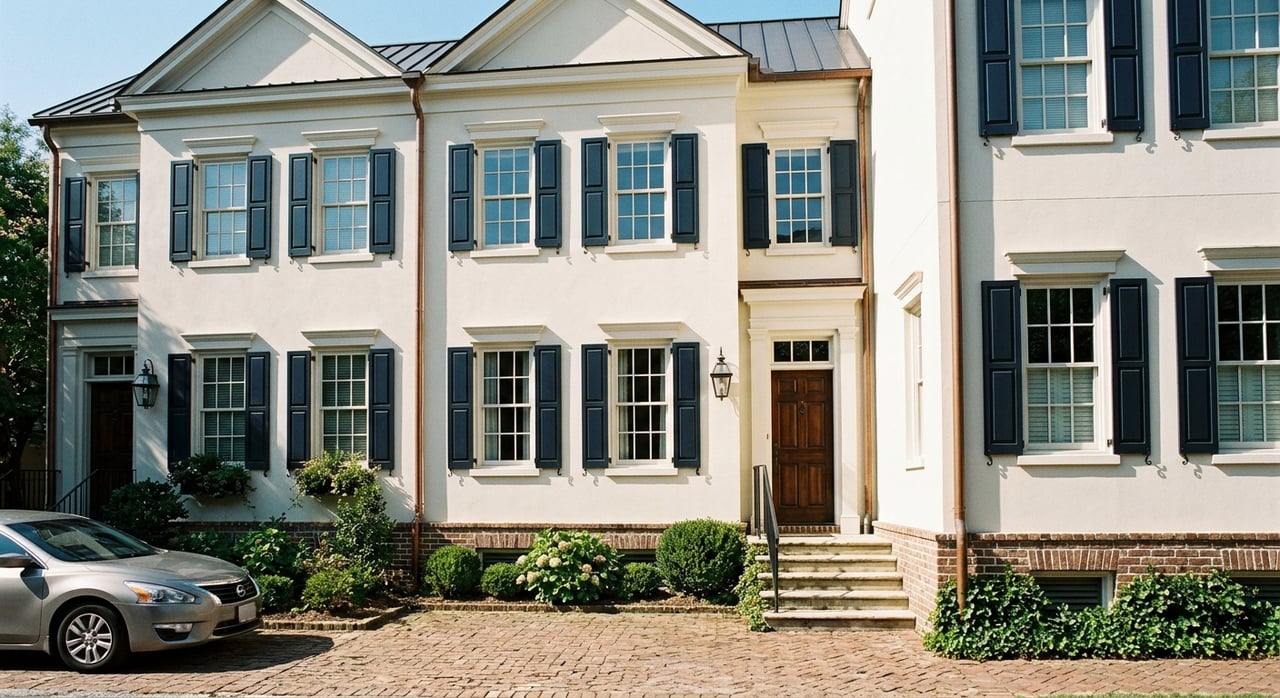
For you as a buyer, that means the area can offer a blend of established neighborhood character and ongoing change. It is not a one-note condo market filled with high-rise towers. According to the city’s Upper Peninsula survey, the area remains largely residential in form, and many multi-unit properties still read visually like single-family homes, which can make this market feel more intimate and block-by-block than you might expect.
What condo and townhome stock looks like
One of the biggest takeaways for buyers is that Upper Peninsula condos and townhomes often come in smaller-scale buildings. The city survey found 2,042 resources in the area, with 95.9% categorized as residences, but only 138 designed as multiple dwellings. That suggests you are often looking at low-rise, neighborhood-scaled options rather than large-building inventory.
In practical terms, you may see converted houses, duplex-style properties, infill townhomes, and small regime buildings. That can be a great match if you want charm and location, but it also means unit boundaries, common elements, and maintenance responsibilities may not be obvious from the street.
Neighborhoods to know
Hampton Park Terrace area
If you love established architecture and park access, Hampton Park Terrace is one of the most distinctive parts of the Upper Peninsula. The National Register district was laid out between 1911 and 1913, and most contributing resources date from about 1914 to 1922.
For condo and townhome buyers, that older fabric matters. Blocks tend to be narrower, parking can reflect early subdivision design, and buildings may come with the quirks of older construction. The area also benefits from proximity to Hampton Park, one of the city’s largest parks and one of the few city parks with restrooms and on-site parking.
Wagener Terrace
Wagener Terrace offers a slightly more varied feel. The city describes it as an early twentieth-century residential subdivision, with build-out continuing through the 1920s, 1930s, and 1940s, plus later infill in some western sections. That mix can create more architectural variety and a broader range of condo or townhome possibilities.
The city’s 2024 Area Character Appraisal places Corrine Jones Park in the center of the neighborhood and notes Hampton Park along the southern edge as a major public space. The same appraisal also flags flooding and insensitive alterations as ongoing concerns, so the exact block and building can have a real impact on maintenance risk and long-term resale appeal.
North Central
North Central is generally more mixed-use than Hampton Park Terrace or Wagener Terrace. Historic Charleston Foundation describes it as a walkable Upper Peninsula neighborhood between Rutledge Avenue and I-26, with both residential and commercial uses, a commercial corridor along King Street, and many early twentieth-century buildings.
For you, that can mean more block-to-block variation. The foundation also notes that North Central has fewer protections than some more heavily regulated historic districts, so nearby infill or remodeling may be less predictable over time. If flexibility and access matter more to you than a highly uniform streetscape, that may be a worthwhile tradeoff.
Daily livability in 29403
Walkability and dining
A major reason buyers look here is lifestyle. The Upper Peninsula continues to add workplaces, restaurants, and housing, and nearby King Street remains one of the region’s core shopping and dining destinations.
If you want to spend less time in the car and more time enjoying downtown amenities, this part of Charleston can make a lot of sense. The tradeoff is that a more urban location often comes with tighter parking and more shared-building considerations.
Parks and green space
Green space is another strong point. Hampton Park is the best-known anchor, but Wagener Terrace also benefits from Corrine Jones Park and access to nearby peninsula green space.
If you are choosing between several condo or townhome options, proximity to a true neighborhood park can shape your day-to-day experience more than you expect. It can also help balance the smaller footprint that often comes with low-maintenance living.
Hospital access
For some buyers, location near medical campuses is a major plus. Roper Hospital is located at 316 Calhoun Street, and MUSC’s downtown campus includes Ashley River Tower and Rutledge Tower near Ashley Avenue and Calhoun Street, according to Roper St. Francis Healthcare.
That proximity can be especially appealing if you work in health care, want easier access to medical services, or simply value being close to core downtown destinations.
What to review before you buy
Regime fees and association health
A low monthly fee does not always mean a better buy. Under South Carolina condominium law, associations are required to maintain a detailed annual budget and reserve accounts for capital expenditures and deferred maintenance on major items, and assessments must be made at least quarterly. You can review the statute through the South Carolina Legislature.
That means you should look beyond the fee amount and ask what it covers. A healthier association usually shows clearer budgeting, reserve planning, and a more realistic approach to long-term upkeep.
Documents to request
Before you commit, ask for key documents and read them carefully. In small Upper Peninsula buildings, this is especially important because some multi-unit properties may look like detached homes from the street.
Here are the documents buyers should request:
- Declaration
- Bylaws
- Current budget
- Reserve balance information
- Recent meeting minutes
- Insurance summary
- Any planned or possible special assessment
- Required association disclosure statement
South Carolina also requires a disclosure statement for buyers purchasing property subject to an HOA, condominium association, or horizontal property regime. The state disclosure requirement is worth reviewing closely, especially for rules related to rentals, pets, approvals, and resale procedures.
Parking details
Parking is one of the biggest daily-life variables in the Upper Peninsula. Charleston’s residential permits are digital and license-plate based, meters generally run Monday through Saturday from 9:00 a.m. to 6:00 p.m., and street sweeping rules vary by area. The city notes that parts of Hampton Park Terrace fall within an alternate-side or signed street-sweeping program, so you should verify the exact block through the city’s residential parking permit page.
Do not assume “off-street parking” means the same thing from one property to the next. You will want to confirm whether your parking is deeded, assigned, tandem, guest-only, permit-based, or dependent on street access.
Flood zone and insurance questions
Flood exposure is part of the buying conversation in this area, especially in locations where the city has identified flooding as an ongoing concern. Before you go under contract, confirm whether the property is in a flood zone and whether an elevation certificate is on file.
Charleston provides flood hazard letters, flood-zone information, and elevation certificate records for many properties. This step can help you better understand insurance costs, future resale considerations, and the property’s overall risk profile.
Exterior change limits
If you are buying a townhome or condo where appearance and exterior maintenance matter, ask whether preservation rules or review requirements apply. In Wagener Terrace, the city notes that demolition review applies to certain historic materials and structures over 50 years old, while design review of additions and new construction is not included in that district.
North Central has also been described as having fewer protections than more heavily regulated historic areas. Depending on your goals, that can be a positive or a concern, but either way, it is better to understand the framework before you buy.
Questions to ask on every showing
When you tour a condo or townhome in the Upper Peninsula, these questions can help you compare options more clearly:
- How old is the building, and when were the roof, HVAC, plumbing, and other major systems last updated?
- What exactly does the regime fee cover?
- Are reserves being funded adequately for future repairs?
- Is there any planned or possible special assessment?
- What are the parking rights for this specific unit?
- Is the property in a flood zone, and is an elevation certificate available?
- What do the governing documents say about rentals, pets, approval steps, and resale requirements?
- Are there limits on exterior changes, repairs, or improvements?
In this part of Charleston, the best choice is often less about the neighborhood name and more about the specific block, building era, parking setup, and governing documents.
Is the Upper Peninsula right for you?
The Upper Peninsula can be an excellent fit if you value walkability, park access, proximity to downtown medical campuses, and easy access to dining and daily conveniences. It can be especially appealing if you want lower-maintenance living without giving up neighborhood character.
At the same time, you will want to be comfortable with older-building maintenance, possible flood exposure, limited parking, and the realities of shared ownership. If you approach the search with the right questions and strong local guidance, you can find a property that fits both your lifestyle and your comfort level.
If you are thinking about buying a condo or townhome in Charleston’s Upper Peninsula, working with a local expert can make the process much clearer. Stephanie Wilson-Hartzog brings lifelong Charleston knowledge and a high-touch approach that can help you evaluate neighborhoods, buildings, documents, and day-to-day livability with confidence.
FAQs
What makes Charleston’s Upper Peninsula different for condo and townhome buyers?
- The Upper Peninsula is largely made up of neighborhood-scaled residential blocks, so many condos and townhomes are in smaller buildings, conversions, or infill projects rather than large towers.
What should buyers review in Upper Peninsula condo documents?
- You should review the declaration, bylaws, current budget, reserve information, meeting minutes, insurance summary, special assessment history or plans, and the required association disclosure statement.
What should buyers know about parking in Charleston’s Upper Peninsula?
- Parking rules can vary by block and building, so you should confirm whether spaces are deeded, assigned, tandem, guest-only, permit-based, or affected by meters or street-sweeping rules.
Why does flood-zone research matter for Upper Peninsula properties?
- Flood-zone information can affect insurance, long-term ownership costs, and resale, so buyers should confirm flood-zone status and check whether an elevation certificate is available.
Which Upper Peninsula neighborhoods are most common for condo and townhome searches?
- Buyers often focus on Hampton Park Terrace, Wagener Terrace, and North Central, each of which offers a different mix of building age, park access, walkability, and redevelopment activity.