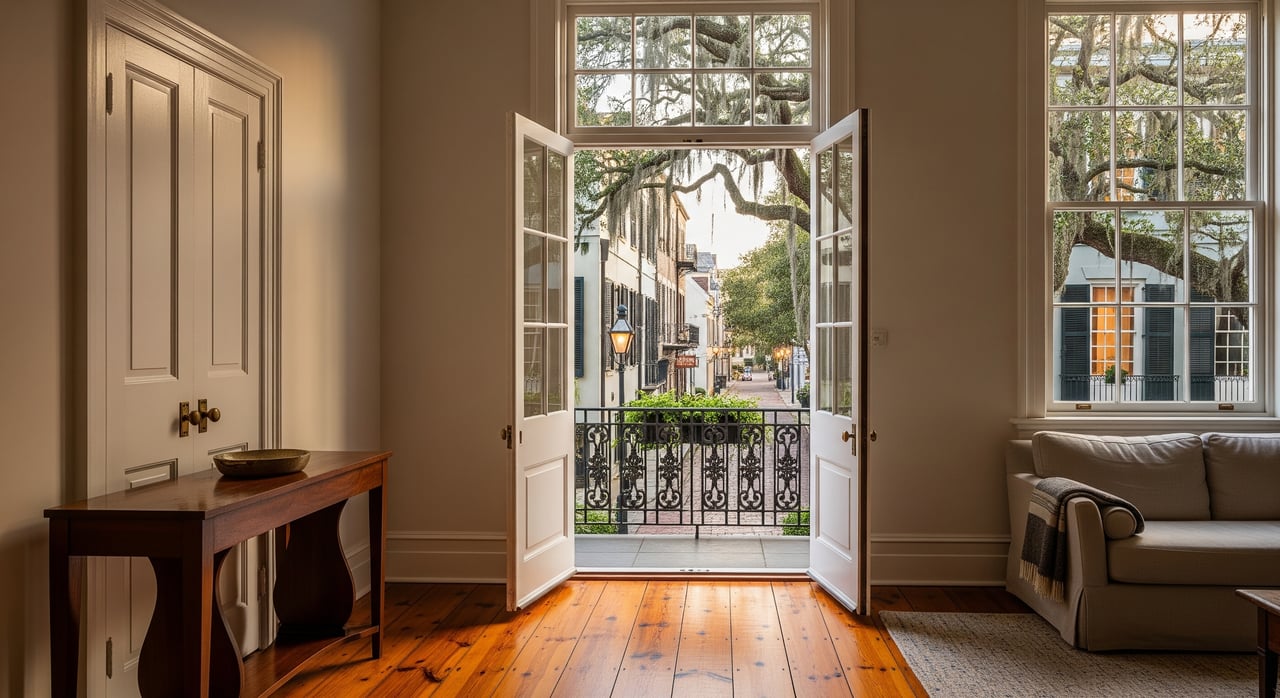
Wonder what everyday life feels like behind Charleston’s pastel facades and cobblestone lanes? If you are picturing morning coffee walks to the harbor, late-afternoon park strolls, and dinner plans that are always a short walk away, you are close. Living in 29401 blends historic character with a practical, walkable routine. This guide breaks down the daily rhythm in South of Broad, the French Quarter, and Harleston Village, plus what to know if you plan to buy here. Let’s dive in.
What 29401 feels like day to day
The peninsula’s Historic District is compact, walkable, and filled with galleries, parks, and restaurants. You will share the sidewalks with visitors, especially on weekends and during festivals. Yet many side streets are quiet in the early morning and evening. City and visitor resources offer helpful maps and context about the area’s layout and landmarks, including the Battery, King Street, and the French Quarter.
South of Broad: serene and waterfront-adjacent
South of Broad is known for tree-lined streets, grand historic homes, and easy access to waterfront promenades. Morning walks often include White Point Garden and the Battery’s harbor views. You will see visitors near the sea wall during peak hours, but day-to-day life on the residential blocks feels relaxed. Short walks connect you to downtown dining, galleries, and parks.
French Quarter: walk-to-everything historic core
The French Quarter is the peninsula’s most concentrated historic pocket. Narrow streets, art galleries, and boutique storefronts create a lively street scene. You can run midday errands on foot and stop by an exhibit or two along the way. Expect heavier pedestrian traffic at lunchtime and into the early evening.
Harleston Village: neighborhood pace next to the action
Just northwest of the core, Harleston Village offers a slightly quieter residential feel while keeping you close to Marion Square and the College of Charleston. Your routine here might include neighborhood cafes and short strolls to weekly markets or campus events. Small parks and local services are easy to reach on foot or by bike.
Tourism and festival rhythm
Crowds ebb and flow with the calendar. Festival weeks like Spoleto Festival USA bring more energy and occasional street closures. Weekends and cruise days see more foot traffic near the Battery, King Street, and the French Quarter. Many residents learn alternate routes and time errands for mornings or early afternoons.
Getting around: walkability, transit, parking
Most daily needs are reachable without a car depending on where you live. Walkability across 29401 is among the best in the region, which tools like Walk Score’s 29401 overview help illustrate. You can rely on walking and short rides for many errands.
Public transit includes city routes and downtown shuttles from CARTA. Ride-hailing is common for evenings and rainy days. If you drive, be aware that narrow streets and limited on-street parking are part of historic living.
Parking setups vary by property. Some homes include a small off-street space or a carriage-house garage. Many residents use on-street permits or nearby garages. If parking is important to you, make it a priority in your home search and ask for current permit or garage details during due diligence.
Parks and waterfront rituals
Daily life often includes outdoor time. White Point Garden and the Battery offer sunrise or sunset walks. Waterfront Park, known for the Pineapple Fountain, is a favorite for a midday break or evening breeze off the harbor. Marion Square hosts events and a regular farmers market in season. Explore these spaces on the city’s Charleston Parks to see how they shape local routines.
Harbor life is part of the backdrop. You will see boats, hear distant ship horns, and can book tours or charters along the waterfront. On calm days, the promenade walks become a daily ritual for many residents.
Shopping, dining and everyday errands
King Street is the peninsula’s retail spine, mixing national shops with local boutiques, cafes, and services. The French Quarter adds galleries and specialty shops to the mix. You will find small groceries, delis, and markets within walking distance in many blocks. Larger supermarkets are a short drive off the peninsula, which many residents visit weekly while keeping most daily errands local. For an overview of attractions and highlights, review the visitor resources at Explore Charleston.
Dining choices range from casual cafes to fine dining. It is easy to build a routine around neighborhood spots near your home, with takeout nights and last-minute reservations often just a few blocks away.
Homes you will find and how they live
Historic architecture is the norm in 29401. You will see:
- Charleston Single Houses with iconic side piazzas. Many are updated single-family homes; some are divided into apartments.
- Townhouses and rowhouses, often masonry or stucco-faced, especially in the French Quarter and South of Broad.
- Condominiums in converted warehouses, carriage houses, or former commercial buildings.
- Carriage houses and small garden cottages tucked behind larger homes.
Many properties have compact layouts, multiple staircases, and smaller kitchens unless recently renovated. Yard space is limited, but proximity to parks and services is a trade-off many residents welcome. Expect periodic maintenance needs common to older structures, even when interiors are modernized.
Owning historic: rules and renovations
Exterior changes visible from the street are regulated within the Historic District. The City’s Board of Architectural Review sets guidelines and reviews proposals for items like windows, porches, paint colors, roofing, and additions. If you plan exterior work, study the Board of Architectural Review resources early and build time into your schedule for permits and approvals.
Interior renovations are generally more flexible, especially when work does not alter the building’s structural system. Still, early planning with licensed contractors and alignment with the city’s permitting process can save time. For any rental plans, check current rules and licensing via the city’s municipal code and permitting pages.
Flood risk and insurance basics
Charleston’s peninsula is low-lying, and many parcels in 29401 fall within mapped flood zones. Before you make an offer, review the official FEMA Flood Map Service Center for the property’s flood zone and ask for any available elevation certificates. Compare quotes for flood insurance and ask sellers about any mitigation measures such as raised electrical systems, flood vents, or floodproofing.
For longer-term context, explore regional sea level trends and adaptation planning using NOAA’s sea level rise resources. A proactive approach helps you understand both current exposure and future resilience efforts.
Smart buyer checklist for 29401
Use this quick-start list to focus your search and due diligence:
- Confirm walkability and transit for your routine. Test-drive your daily errands on foot, and review CARTA routes if you will use transit.
- Make a parking plan. Identify whether the property includes off-street parking, and learn on-street permit or garage options.
- Order specialized inspections for historic systems. Ask inspectors to assess foundation and moisture, pest risk, older electrical and plumbing, HVAC retrofits, and historic materials.
- Consider environmental safety in pre-1978 homes. Learn basic care and testing from the EPA’s lead-based paint guidance.
- Map flood exposure and budget for insurance. Verify zones through the FEMA Map Service Center and seek quotes early.
- Plan for exterior work within the Historic District. Review the Board of Architectural Review process before you design and bid projects.
- Check event calendars. Weeks like Spoleto Festival USA can affect parking and street closures, which may shape your daily schedule.
- Verify rental and licensing rules. Start with the city’s municipal code and permitting pages and any HOA documents.
Is 29401 right for you?
Choose 29401 if you want a lifestyle shaped by walkable streets, historic architecture, and a cultural calendar that keeps things interesting. You will balance quiet residential pockets with active commercial corridors. If you plan for parking, inspections, and flood considerations upfront, the day-to-day rewards of living in Charleston’s historic core are hard to match.
When you are ready to explore homes or talk through a plan tailored to your goals, connect with Stephanie Wilson-Hartzog. She offers deep local experience with historic properties, relocation guidance, and a high-touch approach that makes every step clear.
FAQs
How busy is daily life with tourism in Charleston’s Historic District?
- Expect more activity near landmark corridors like King Street and the French Quarter during peak hours, with many side streets quieter in the early mornings and evenings.
What is walkability like in 29401 for errands and dining?
- Many daily needs are within walking distance; residents often mix walking, short transit or ride-hailing trips, and occasional drives for larger grocery runs.
What should I know before renovating a historic home in 29401?
- Exterior work visible from the street typically needs city design review and permits, while most interior updates are more flexible when they do not alter structural systems.
Do I need flood insurance for a 29401 property near the harbor?
- Many parcels have elevated flood risk; review FEMA maps for the specific address and obtain insurance quotes and any available elevation certificates during due diligence.
Are there regular markets and cultural events downtown?
- Yes, Marion Square hosts a regular farmers market in season, and annual events like Spoleto Festival USA bring performances, pop-ups, and street activity.
Where do residents park cars in historic neighborhoods like South of Broad?
- Parking setups vary by property; options include off-street spaces, on-street permits, and nearby garages, so confirm details early in your search.