If you are thinking about selling on Sullivan’s Island, you already know this is not a market where you want to wing it. With a small number of homes trading and median sale prices in the multi-million-dollar range, the details matter. The good news is that with the right prep, pricing, and launch plan, you can put your home in the strongest position possible. Let’s walk through what to do before your Sullivan’s Island home hits the market.
Why preparation matters on Sullivan’s Island
Sullivan’s Island is a thinly traded, high-value market, which means every listing gets more scrutiny. According to the Charleston Trident Association of REALTORS® February 2026 update for single-family detached homes, the year-to-date median sales price was $5.025 million, homes averaged 81 days on market, and sellers received 89.7% of original list price. Redfin’s March 2026 snapshot also showed 81 days on market, with a median sale price of $5.9 million.
Because the number of sales is small, those figures are best read as directional rather than absolute. Still, they point to one clear takeaway: pricing, presentation, and launch quality carry real weight. On an island where buyers have high expectations, strong preparation can help your home stand out early.
Start with timing and a realistic schedule
If your move timeline is flexible, late spring can be a smart preparation window. Atlantic hurricane season begins June 1 and runs through November 30, so many coastal sellers prefer to complete exterior projects, staging, and photography before summer weather becomes a bigger factor.
That does not mean you cannot sell in summer or fall. It simply means you should build in extra time for weather, scheduling, and any town approvals tied to the property. On Sullivan’s Island, even a straightforward project can take longer than expected.
Check zoning, permits, and historic review first
Before you schedule painters, landscapers, or exterior touch-ups, confirm what your property requires from the town. Sullivan’s Island zoning includes RS, CC, CCOD 1 and 2, R & C, and HP Historic Preservation Overlay districts. The town also notes that the island contains four National Register districts and three local historic districts.
If your property is designated historic, any change requires a Certificate of Appropriateness, and a building permit is also required. The Design Review Board reviews designs for new construction and renovations in commercial and residential districts, and it meets monthly. That review timeline can affect when you are ready to list.
The town’s permit requirements are broad. Permits may be required for additions, repairs, remodeling, concrete work, excavation, filling, bulkheading, driving piles, clearing, and fences. In practical terms, that means even small pre-listing exterior work should be checked before you begin.
What to verify before making updates
- Your current zoning district
- Whether the property falls within a historic overlay or historic district
- Whether planned repairs or exterior improvements require a permit
- Whether a Certificate of Appropriateness is needed
- How local review timing could affect your list date
Gather floodplain and property documents early
Sullivan’s Island is a barrier island with elevations ranging from sea level to about 14 feet above sea level. The town notes that oceanfront property is in VE flood zones, while middle- and marsh-side property is generally in AE zones. FEMA flood hazards are mapped across the island.
For sellers, this makes preparation more than cosmetic. If a buyer asks questions about flood risk, insurance, or past work, you will want clear documentation ready. The town says homes with mortgages are required to purchase NFIP flood insurance, and it recommends contacting the Building Official if flood-zone or flood-risk information is needed.
Documents worth gathering before listing
- Elevation certificate, if available
- Flood-zone documentation
- Flood insurance information
- Records of flood-related repairs
- Permits for prior work or improvements
Having these materials organized upfront can make buyer questions easier to answer and can help your sale feel more polished and transparent.
Focus on high-impact pre-listing improvements
In a market like Sullivan’s Island, the best return often comes from thoughtful preparation rather than a major remodel. The 2025 Profile of Home Staging found that 83% of buyers’ agents said staging makes it easier for buyers to envision a property as a future home. The most commonly recommended seller tasks were decluttering, cleaning the entire home, and improving curb appeal.
That is especially useful guidance for a coastal property. Instead of over-improving, focus on a home that feels clean, bright, open, and well cared for. Buyers respond to presentation they can trust.
Prioritize these seller prep steps
- Declutter every room
- Clean the entire home thoroughly
- Improve curb appeal with simple, tidy landscaping
- Refresh approved exterior touch-ups if needed
- Clean windows to maximize natural light
- Simplify decor and remove highly personal items
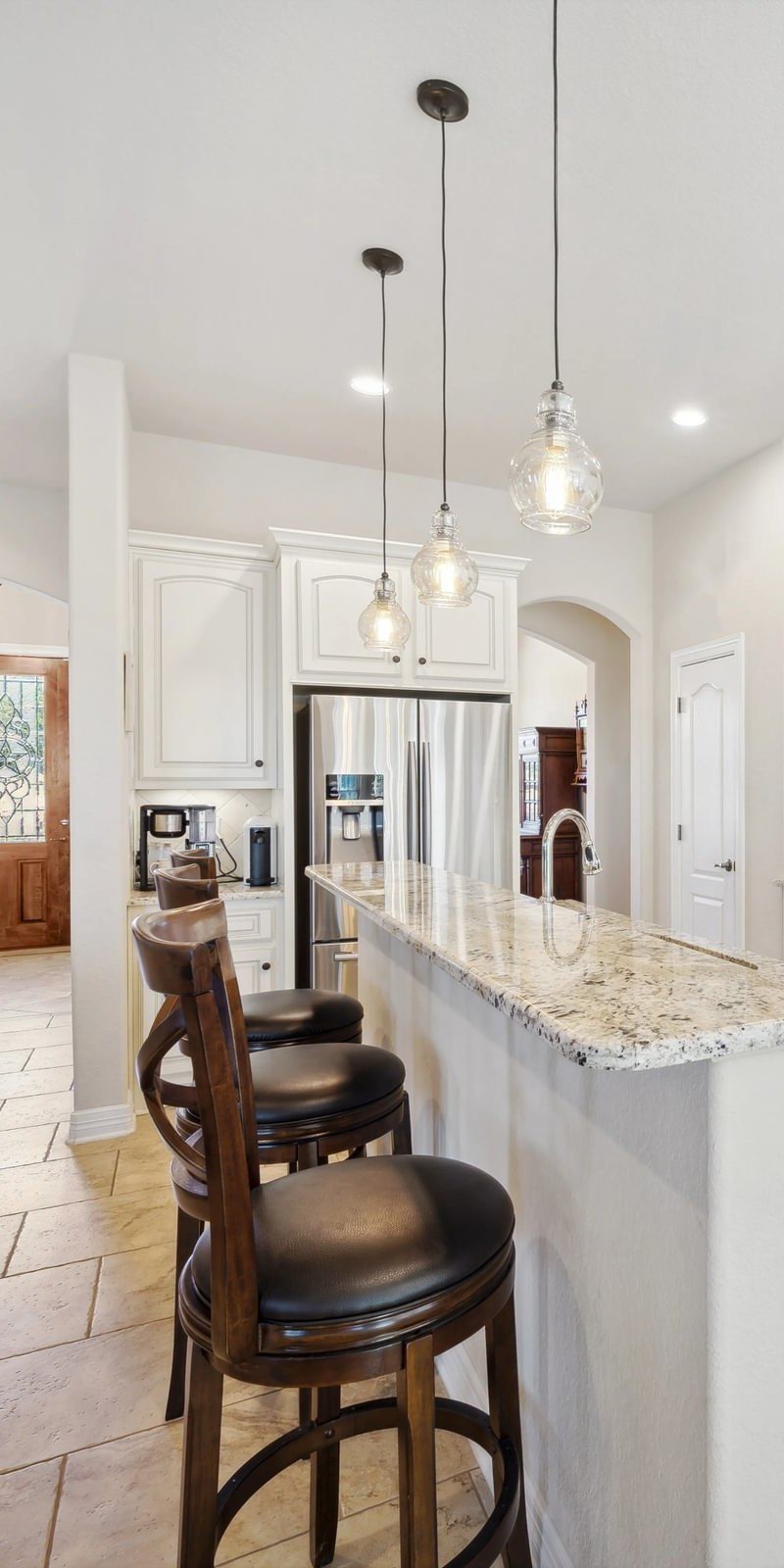
If you are staging selectively, start with the rooms buyers tend to notice most. Buyers’ agents ranked the living room, primary bedroom, and kitchen as the most important rooms to stage.
Prepare for photography like it is part of the listing strategy
Most buyers start online, and listing photos shape first impressions fast. NAR reports that 52% of buyers found the home they purchased online, and 81% rated listing photos as the most useful feature during their search. That makes your photo prep part of your marketing plan, not a last-minute errand.
The camera also exaggerates clutter, dust, and visual distractions. A room that feels fine in person can look crowded or dull in photos. On Sullivan’s Island, where buyers may be comparing luxury and second-home options, polished visuals matter even more.
Photo-day checklist for your home
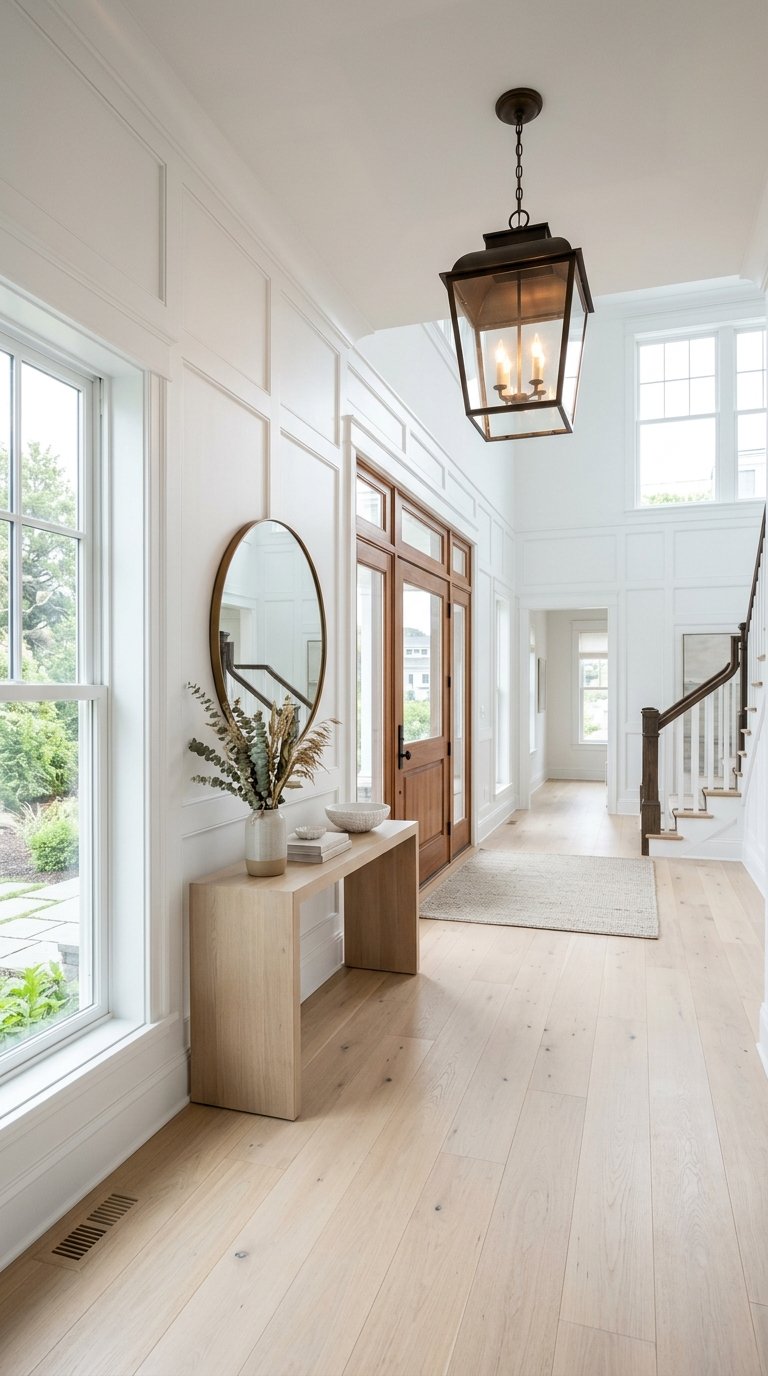
- Open blinds for natural light
- Remove excess furniture where needed
- Clear counters and other flat surfaces
- Remove magnets, notes, and papers from the refrigerator
- Put away trash cans, cords, and pet items
- Make sure the home will look the same in person as it does online
Outdoor spaces also deserve special attention. Buyers respond to usable outdoor areas, so porches, decks, patios, and backyard spaces should be clean, inviting, and ready for the camera.
Build privacy into the sale process
For many Sullivan’s Island sellers, privacy is part of the overall strategy. That is especially true for high-value primary homes, second homes, and waterfront properties. A well-managed listing can still reach qualified buyers while giving you more control over access and personal information.
NAR’s seller privacy guidance recommends putting away family photos, calendars, mail, login information, and sensitive documents. It also suggests locking up valuables and coordinating with your agent about measures such as limiting unapproved photography where appropriate.
Simple ways to protect privacy
- Remove family photos and personal paperwork
- Lock up jewelry, collectibles, and other valuables
- Store medications and sensitive documents securely
- Clear visible calendars, bills, and shipping labels
- Coordinate showing access carefully
These steps help your home show better while also making the process feel safer and more discreet.
Price from the market, not emotion
Pricing is one of the most important decisions you will make before listing. With CTAR showing 89.7% of original list price received and market time around 81 days, the data suggests that precision matters. On Sullivan’s Island, buyers are not just reacting to square footage or replacement cost. They are comparing location, condition, presentation, floodplain factors, and the overall fit of the property.
That is why pricing should be based on current comparable sales and the real condition of your home. A beautifully prepared listing with a strong launch can create momentum, but an aspirational price can still slow buyer response. In a market with fewer transactions, a thoughtful pricing strategy is often what protects your leverage.
Follow a clean pre-listing sequence
A smooth sale usually starts with the right order of operations. On Sullivan’s Island, that means handling local property issues before you move into staging and media. It is much easier to launch confidently when the groundwork is already done.
A practical prep sequence
- Verify zoning, historic status, and approval requirements
- Gather flood-zone and property documents
- Complete any permitted repairs or approved exterior work
- Declutter, clean, and stage key rooms
- Prepare indoor and outdoor spaces for photos
- Photograph, market, and launch with intention
This sequence can reduce last-minute surprises and help your listing enter the market looking complete from day one.
Why local guidance matters
Selling on Sullivan’s Island is different from selling in many other parts of the Charleston area. Between floodplain questions, permit rules, historic review, and the expectations that come with a luxury coastal property, the process benefits from local knowledge and close attention to detail.
When your home is positioned well from the start, you create a better experience for buyers and a stronger path for your sale. That means thoughtful preparation, clear documentation, polished marketing, and pricing that reflects today’s market instead of yesterday’s assumptions.
If you are getting ready to sell on Sullivan’s Island and want a high-touch, locally informed plan, Stephanie Wilson-Hartzog can help you prepare, position, and market your home with the care this island market deserves.
FAQs
What should you do first before selling a home on Sullivan’s Island?
- Start by verifying zoning, historic designation, permit requirements, and flood-related documentation before making updates or scheduling your launch.
Do historic Sullivan’s Island homes need approval before changes?
- Yes. The town says designated historic properties require a Certificate of Appropriateness for any change, and a building permit is also required.
What flood documents should sellers gather for a Sullivan’s Island listing?
- Gather your elevation certificate if available, flood-zone information, flood insurance details, and records of flood-related repairs or permits.
Which rooms matter most when staging a Sullivan’s Island home?
- The living room, primary bedroom, and kitchen are the top rooms buyers’ agents say are most important to stage.
What should listing photography highlight in a Sullivan’s Island home sale?
- Focus on natural light, clean and uncluttered interiors, and usable outdoor spaces such as porches, decks, patios, and backyards.
How can you protect privacy while selling a Sullivan’s Island home?
- Remove personal documents and family photos, lock up valuables, and coordinate showing access and photography expectations carefully with your agent.